Understanding the Role of Aussteller in Trade Shows
The term Aussteller plays a critical role in the dynamic landscape of trade shows and exhibitions. As exhibitors, these entities are fundamental to the success of these events, showcasing products, services, and innovations that drive various industries. This article aims to delve deep into the significance of Aussteller, exploring their impact on the market, the preparation required for participation, booth management strategies, performance metrics, and future trends that will shape the exhibiting landscape. When exploring options, Aussteller provides comprehensive insights into exhibitors’ responsibilities and benefits.
What is an Aussteller?
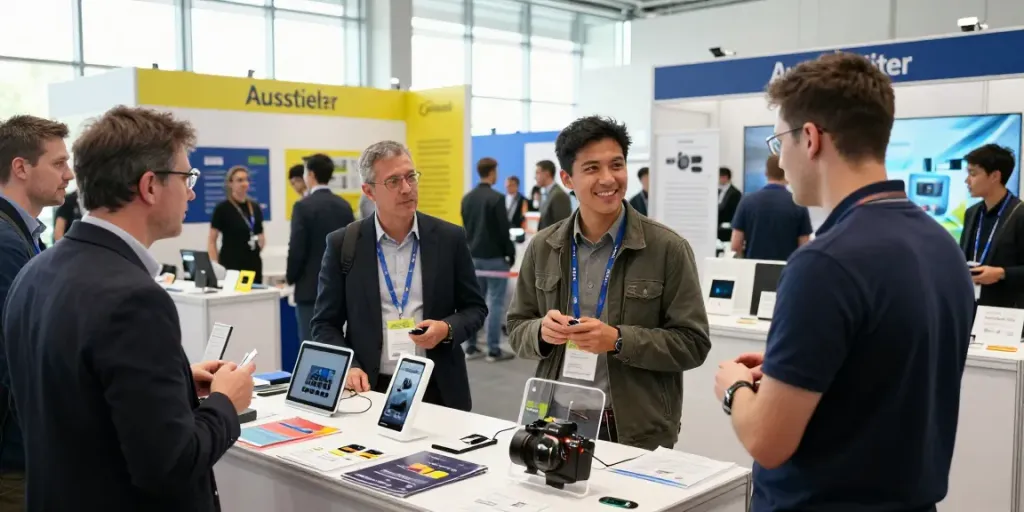
An Aussteller, or exhibitor, is an individual or organization that presents products, services, or information at a trade show or exhibition. They serve as the bridge between manufacturers or service providers and potential customers, facilitating direct interactions. The role of an Aussteller is critical as they not only display offerings but also engage with attendees, gather industry insights, and forge connections that may lead to future business opportunities.
The Importance of Exhibitors in Today's Market
In today’s highly competitive market, Aussteller play a pivotal role in brand visibility and market penetration. Exhibitors represent their businesses on a global stage, attracting potential clients, partners, and stakeholders. Their participation in trade shows not only elevates their brand's profile but also allows them to:
- Showcase new products and innovations.
- Conduct market research by observing competitors and gathering feedback directly from consumers.
- Network with industry professionals and establish business relationships.
- Enhance brand loyalty by creating memorable experiences for attendees.
How Trade Shows Facilitate Business Connections
Trade shows provide a unique environment for networking and relationship-building. They attract a diverse audience, including industry professionals, potential buyers, and media representatives, all looking for the latest trends and solutions. By participating as an Aussteller, businesses can:
- Connect with decision-makers and influencers in their industry.
- Gain insights into customer needs and preferences.
- Investigate competitor strategies and benchmarks.
Such interactions can lead to fruitful partnerships and collaborations, enhancing business prospects in a saturated market.
Preparing to Become an Aussteller
Setting Clear Objectives for Your Participation
Before participating in a trade show, it is essential for Aussteller to define clear objectives. Objectives can vary widely, from increasing brand awareness to generating leads or launching new products. Having defined goals helps to tailor the exhibition strategy effectively, ensuring resources are allocated appropriately and maximizing the impact of the participation.
Choosing the Right Trade Show for Your Brand
Selecting the right trade show is crucial for an Aussteller’s success. Factors to consider include:
- Relevance to target audience and industry sector.
- Location and size of the event.
- Historical attendance data and media coverage.
Researching previous events and gathering testimonials from past exhibitors can significantly influence this decision.
Budgeting for Your Exhibition and Marketing Efforts
Effective budgeting is a cornerstone of successful participation as an Aussteller. Costs can include booth rental fees, design and construction, travel expenses, marketing materials, and promotional giveaways. A well-planned budget not only anticipates these costs but also considers ROI. Identifying potential revenue from leads generated during the event can guide investment decisions.
Creating an Impactful Booth Experience
Designing Your Booth to Attract Attention
The booth is the face of an Aussteller at a trade show. A well-designed booth should be visually appealing and reflective of the brand’s identity. Essential elements include:
- Branding that is clear and identifies the products or services offered.
- Interactive and engaging elements to capture attendees' attention.
- Comfortable spaces for discussions.
Creating a memorable first impression can significantly impact visitor engagement.
Engagement Strategies for Interacting with Attendees
Engaging with attendees is vital for Aussteller during trade shows. Strategies include:
- Offering live demonstrations or interactive workshops.
- Utilizing social media to create buzz and encourage attendees to visit the booth.
- Providing exclusive promotions or contests to incentivize engagement.
Effective engagement can lead to deeper conversations and foster relationships that extend beyond the event.
Utilizing Technology to Enhance Visitor Experience
Incorporating technology can vastly improve the visitor experience at an Aussteller's booth. Options include virtual reality displays, interactive kiosks, and live social media feeds. Utilizing technology not only enhances engagement but also positions the brand as an innovative leader in the industry.
Measuring Success as an Aussteller
Key Performance Indicators (KPIs) to Track
Once the trade show concludes, measuring success is essential. Important KPIs for Aussteller include:
- Number of leads generated.
- Social media engagement metrics pre and post-event.
- Sales closed as a direct result of the exhibition.
These metrics help in evaluating overall performance and refining strategies for future events.
Gathering Feedback and Insights from Attendees
Collecting feedback from visitors can provide invaluable insights into the effectiveness of the booth and the products displayed. This can be accomplished through:
- Post-show surveys.
- Informal conversations during the event.
- Analyzing visitor behavior on social media.
Understanding attendee perceptions can guide improvements in future exhibitions.
Evaluating Return on Investment (ROI) for Participation
Calculating ROI is critical for justifying the resources spent on being an Aussteller. This involves comparing the costs incurred with the tangible benefits gained, such as leads, sales, and increased brand visibility. A clear understanding of ROI makes it easier to determine the worthiness of future investments in trade shows.
Future Trends for Aussteller in 2026 and Beyond
Adapting to Changes in Exhibitor Expectations
The landscape of trade shows is constantly evolving. Aussteller must be prepared to adapt to changing attendee preferences and expectations, with an emphasis on interactivity and personalization. Understanding these shifts can influence booth design and engagement strategies.
Leveraging Digital Tools in Exhibitor Strategies
The digital transformation is reshaping how Aussteller strategize their participation. Utilizing CRM software for lead management, virtual event platforms for hybrid experiences, and data analytics for performance tracking will become increasingly important.
Predicting the Evolving Landscape of Trade Shows
As hybrid trade shows become more common, Aussteller will need to develop strategies that bridge in-person and virtual experiences. This could involve offering virtual consultations or creating online content that complements in-person activities, ensuring that the brand remains relevant and accessible to a wider audience.
What benefits does being an Aussteller provide?
Being an Aussteller grants businesses exposure, market insights, and the potential for increased sales and customer loyalty through direct interactions.
How can exhibitors effectively engage attendees?
Exhibitors can engage attendees through interactive displays, live demos, social media interaction, and providing memorable experiences that resonate with their target audience.
What metrics should Aussteller track for success?
Key metrics include leads generated, engagement rates, and conversion rates following the event, which collectively inform the overall success of the exhibition strategy.
How will technology impact trade shows in the future?
Technology will enhance attendee experiences through virtual interactions, data analytics, and innovative booth designs, leading to more immersive and engaging events.
What are the best practices for successful booth design?
Successful booth design should prioritize brand visibility, interactivity, comfort, and innovative elements that attract and engage visitors effectively.